Learn about the life of lithium-ion batteries
Lithium-ion (Li-ion) batteries have become an integral part of our daily lives, powering devices as diverse as smartphones and laptops, electric vehicles (EVs), and renewable energy storage systems. How many years can a lithium-ion battery last? The answer depends on several factors, including the battery's quality, usage patterns, environmental conditions, and maintenance.
Lithium-ion battery life is typically measured in two ways:
1. Cycle life: This refers to the number of charge and discharge cycles a battery can withstand before its capacity drops significantly. Most high-quality lithium-ion batteries last 300 to 500 cycles, but some advanced models can handle up to 1,000 or more.
2. Cycle life: This measures how long the battery maintains its function over a period of time, regardless of usage. Even if the battery is not used often, its performance can decline due to chemical aging.
Under optimal conditions, a well-maintained lithium-ion battery can last from 3 to 10 years, depending on the application. For example:
Smartphone batteries typically last about 3-4 years.
Laptop batteries can last 4-5 years.
Electric vehicle batteries are designed to last 8-10 years or longer.
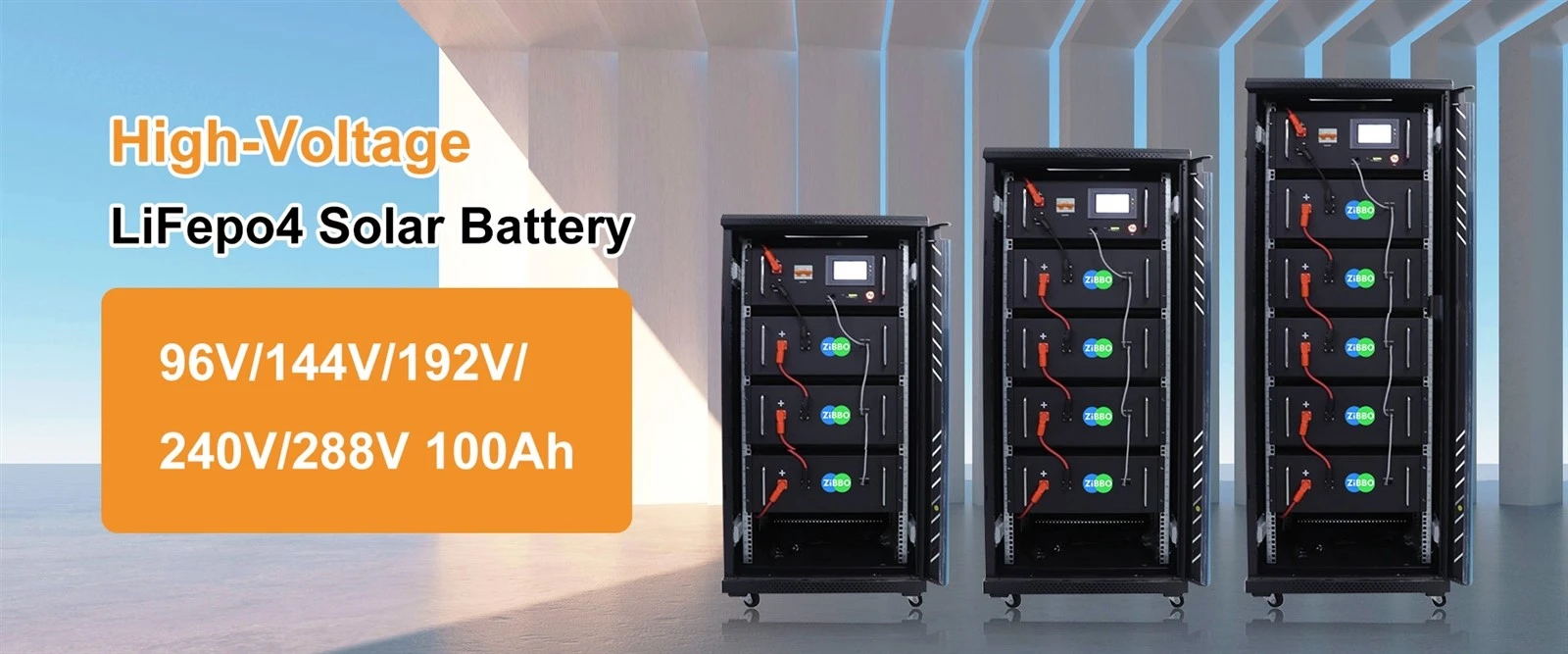
ZBPOWER energy storage lithium batteries are designed for a service life of 10 years or more.