In recent years, the push for a more sustainable and environmentally friendly energy sources has gained momentum. Two key players in this movement are new energy and renewable energy. While both aim to reduce our reliance on fossil fuels and decrease carbon emissions, there are some key differences between the two.
New energy typically refers to innovative and cutting-edge technologies that have the potential to revolutionize the way we generate and use energy. This can include advancements in energy storage, energy efficiency, and grid management. Examples of new energy technologies include fuel cells, advanced nuclear reactors, and smart grid systems.
On the other hand, renewable energy sources are those that come from naturally replenishing resources, such as sunlight, wind, and water. These sources are considered sustainable because they are constantly being replenished and do not contribute to the depletion of finite resources. Common examples of renewable energy sources include solar power, wind power, and hydropower.
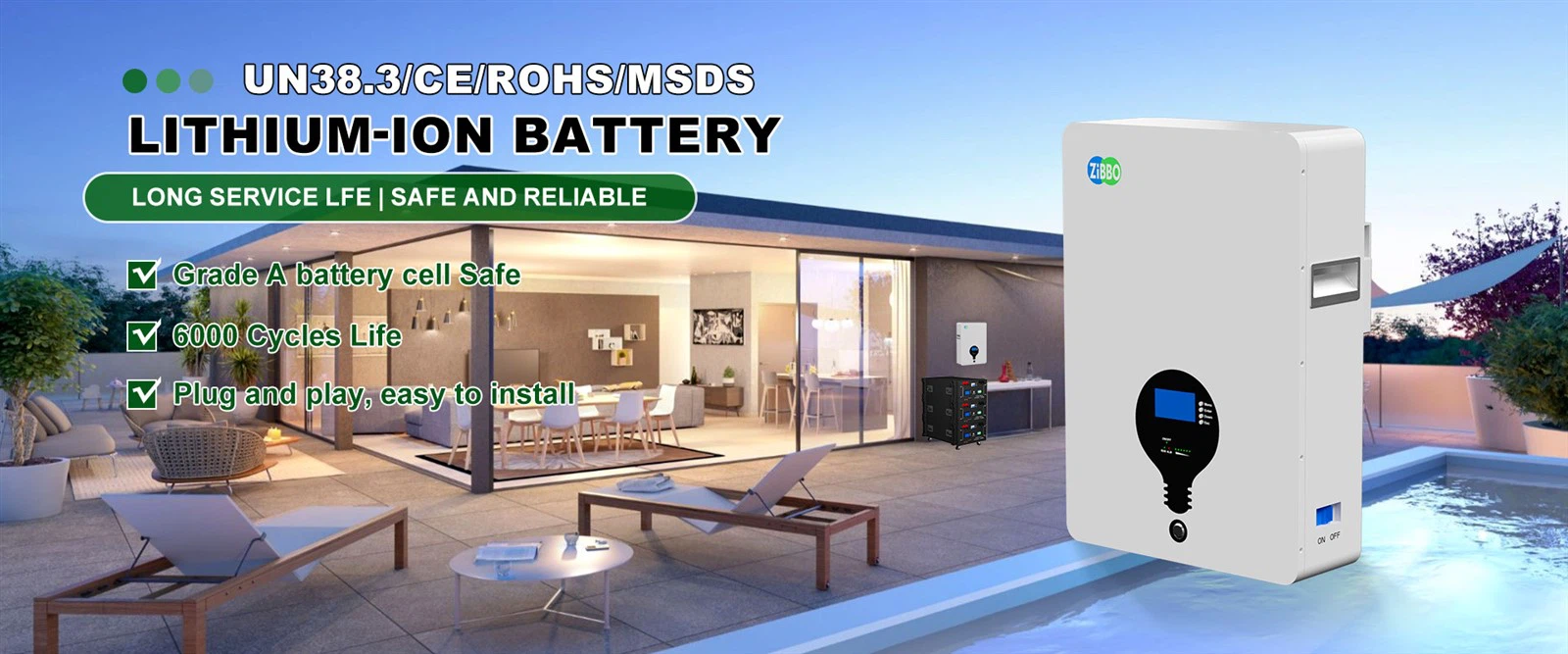
One key technology that straddles the line between new energy and renewable energy is lithium-ion batteries. These batteries are a key component of many renewable energy systems, such as solar panels and wind turbines. They are also used in electric vehicles and grid storage systems. One particular type of lithium-ion battery that has gained attention in recent years is the lithium iron phosphate (LiFePO4) battery.
LiFePO4 batteries are known for their high energy density, long cycle life, and high thermal stability. These characteristics make them ideal for use in renewable energy systems, where reliability and longevity are key considerations. Additionally, LiFePO4 batteries are considered safer than other types of lithium-ion batteries, as they are less prone to thermal runaway and overheating.
Overall, the distinction between new energy and renewable energy lies in the technologies and resources they harness. New energy focuses on cutting-edge technologies that have the potential to transform the energy landscape, while renewable energy sources are derived from naturally replenishing resources. Both are crucial in the transition to a more sustainable energy future, with technologies like LiFePO4 batteries playing a key role in bridging the gap between the two.