
Deep cycle batteries refer to?
Deep-cycle batteries are specifically designed to provide stable power over long periods of time while withstanding repeated deep discharges (typically 80% or more of their capacity). Unlike the starting batteries commonly used in vehicles, deep-cycle batteries prioritize lifespan and resilience. Its robust structural features include thicker lead plates, reinforced separators and dedicated electrolytes, enabling them to recover effectively after significant energy consumption.
Main functions
1. Deep discharge tolerance: These batteries can reliably discharge up to 80% of their capacity without permanent damage, while ordinary batteries are at risk of degradation if they discharge more than 50%.
2. Cycle capacity: High-quality deep-cycle batteries can withstand hundreds to thousands of charge and discharge cycles, depending on the technology (such as lead-acid batteries and lithium-ion batteries).
3. Slow energy release: Optimizing continuous output rather than sudden power surges makes it an ideal choice for low-power, long-term applications.
Common applications
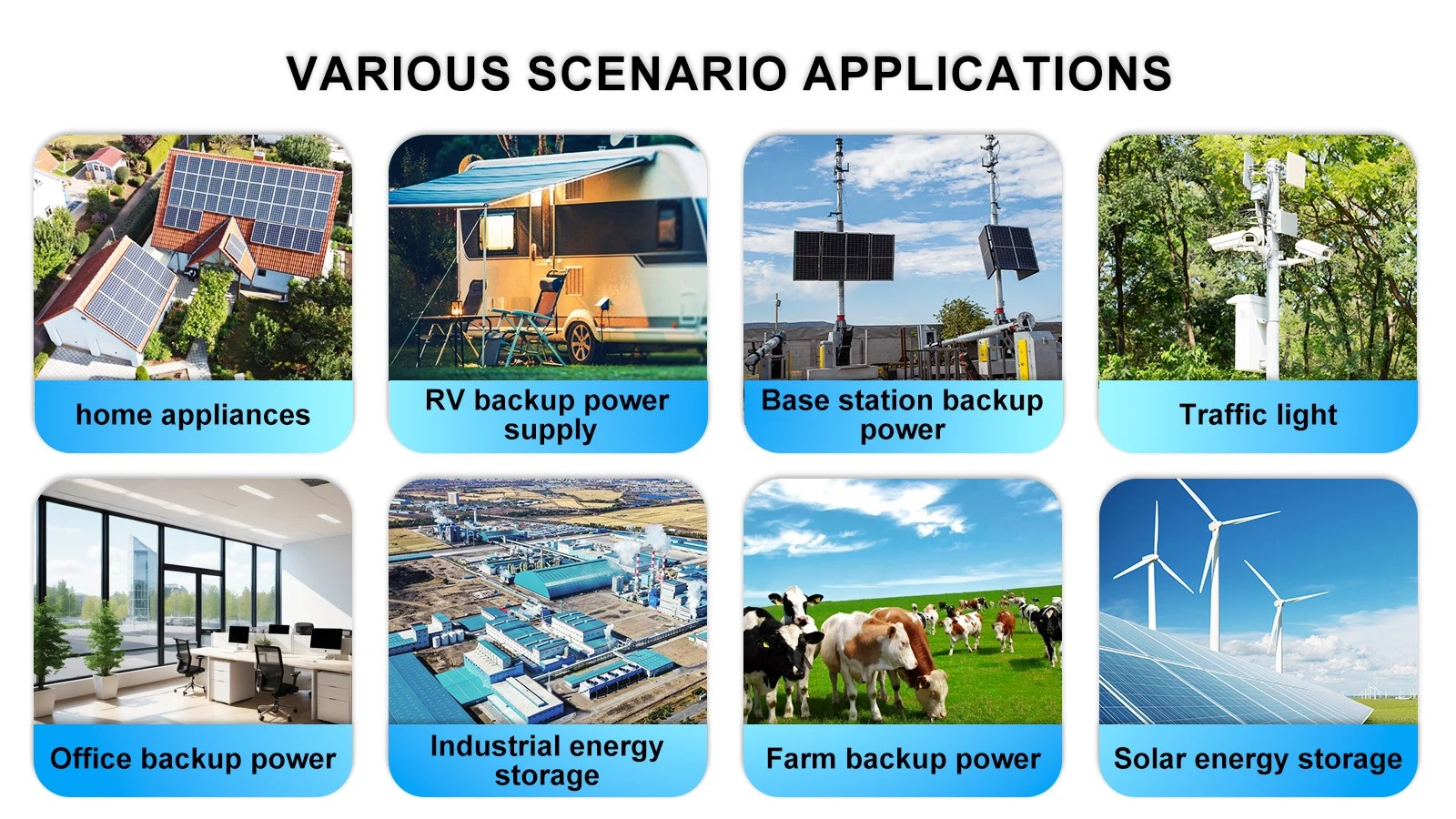
Deep cycle batteries are indispensable when off-grid or backup power is required.
- Renewable energy systems: storing solar or wind energy for later use.
- Marine and recreational vehicle use: Power electrical, lighting and electronic equipment on board.
- Golf carts and mobile scooters: provide consistent torque to the motor.
- Industrial equipment: Supporting forklifts, floor scrubbers, or telecommunication infrastructure.
Types of deep-cycle batteries
1. Flooded lead-acid (FLA) : Reasonably priced and widely available, but requires regular maintenance (for example, replenishing water).
2. AGM (Absorbent Glass Pad) : Maintenance-free, anti-overflow, anti-vibration, and highly suitable for Marine use.
3. Gel battery: It uses silica to fix the electrolyte, providing excellent deep discharge recovery and safety.
4. Lithium-ion: Lightweight, fast charging, capable of deep discharge (up to 80%), and has a lifespan of over 6,000 cycles.
| Maintenance Tips | |
| Avoid over-discharge | Do not use the battery below the depth of discharge (DOD) recommended by the manufacturer. |
| Regular charging | Charge promptly after use to prevent sulfuric acid acidification (lead-acid type). |
| Temperature control | Store under mild conditions (10-25°C) to extend service life. |
Deep-cycle batteries are designed for long-lasting durability, making them the backbone of systems that require reliable and long-term energy storage. Whether it is renewable energy devices, recreational vehicles or industrial machinery, choosing the right type and adding appropriate maintenance can ensure the best performance and cost-effectiveness. With the development of technology, innovations like lithium-ion batteries are constantly pushing the boundaries of efficiency and durability, solidifying their role in the future of sustainable energy.


